My own research and creative practice has been looking at particular historical events in order to assist victims affected by exceptional traumatic experiences. The role of filmmaking in creating a space for families to take ownership of their own narratives has been central to my work, and promoting wider public acknowledgment of the experiences of bereavement, loss, and the lack of closure and justice, that has been suffered.
Screening of ‘Ballymurphy’ at the Conway Mill 8th of August 2014.
The Long Journey Home (2013) and Ballymurphy (2014), for example, both look at significant political events that affected the lives of the West Belfast community in 1988 and 1971, respectively. The films, while redressing an imbalance within public discourse offer a contextual appreciation of both events from the perspectives of the families themselves, an important procedure not previously afforded by institutional broadcasters in cases of state violence.
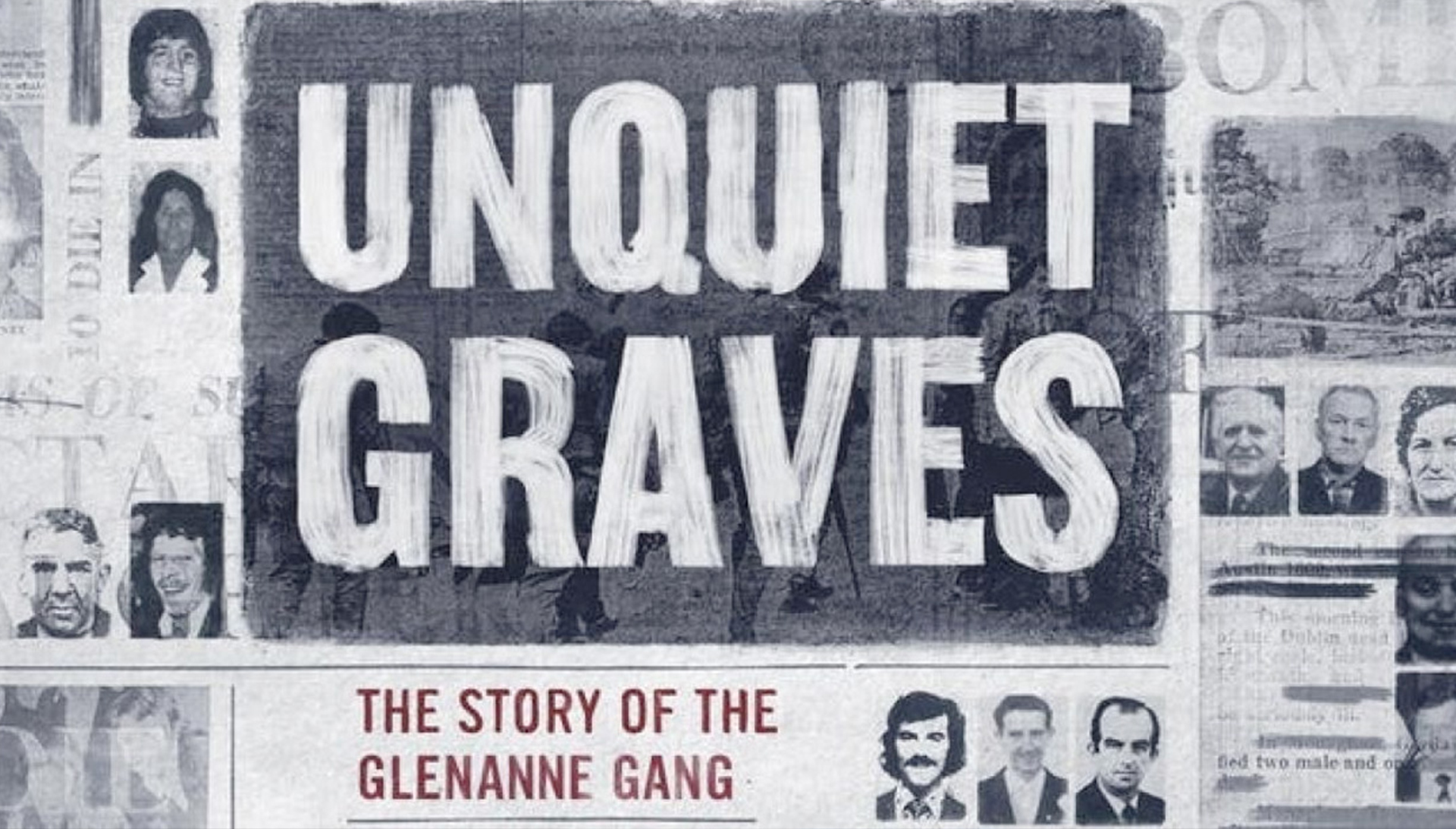
My new film, Unquiet Graves (2016) investigates the role of the Glenanne Gang in the murder of over 120 people on both sides of the Irish border between 1972 & 1978. It will detail how members of the RUC & British Army collaborated with known sectarian killers in the targeted assassinations of farmers, shopkeepers, publicans and other civilians in a campaign aimed at terrorizing the most vulnerable in society. The group was also responsible for the Dublin/Monaghan bombings in 1974, the incident being the deadliest attack in the Irish Republic’s history.

As with my previous film, Ballymurphy , Unquiet Graves (2016) can be considered to be a form of public advocacy for the families, a lobbying tool to highlight the inadequacies or the limits of the criminal justice system. In April last year, I travelled with the families of the Ballymurphy Massacre to Westminster where a film was screened. The audience comprised a number of politicians from all political persuasions, from the Tories to the Scottish National Party.
After the meeting, I spoke to family members who were moved by the efforts of all the parties involved in taking their time to listen. Pat Quinn, whose brother Frank was murdered in Ballymurphy in a later conversation remarked on the importance of people in listening to their stories, adding that the media subversion and criminalization of his brother compounded the hurt that was visited upon his family. “ It’s bad enough to hear that your brother was murdered but then to witness the lies that were propagated by the media that he was an IRA gunman was worse again”.

The sentiments expressed by Pat have been echoed throughout my work. As we have witnessed the continued failure of both governments in addressing legacy issues, the issue of adequately dealing with the past now takes centre stage as part of the ongoing peace process. For many, a sense of legal redress seems further away than ever.
In conclusion, the work of filmmakers in Ireland now holds greater responsibility than ever, and as we examine films now dedicated to public advocacy, for some it may be their only source of comfort in their wider efforts of achieving truth and/or justice.